Root Canal Treatment
- Home
- Root Canal Treatment
Root Canal Treatment
Composite fillings and crowns are tooth-colored restorations used to repair damaged, decayed, or weakened teeth. Made from high-quality resin or porcelain materials, they restore both function and aesthetics—blending seamlessly with your natural smile. While composite fillings are ideal for treating small to medium cavities, crowns are used when the damage is more extensive and requires complete coverage of the tooth.

What Is Root Canal Treatment?
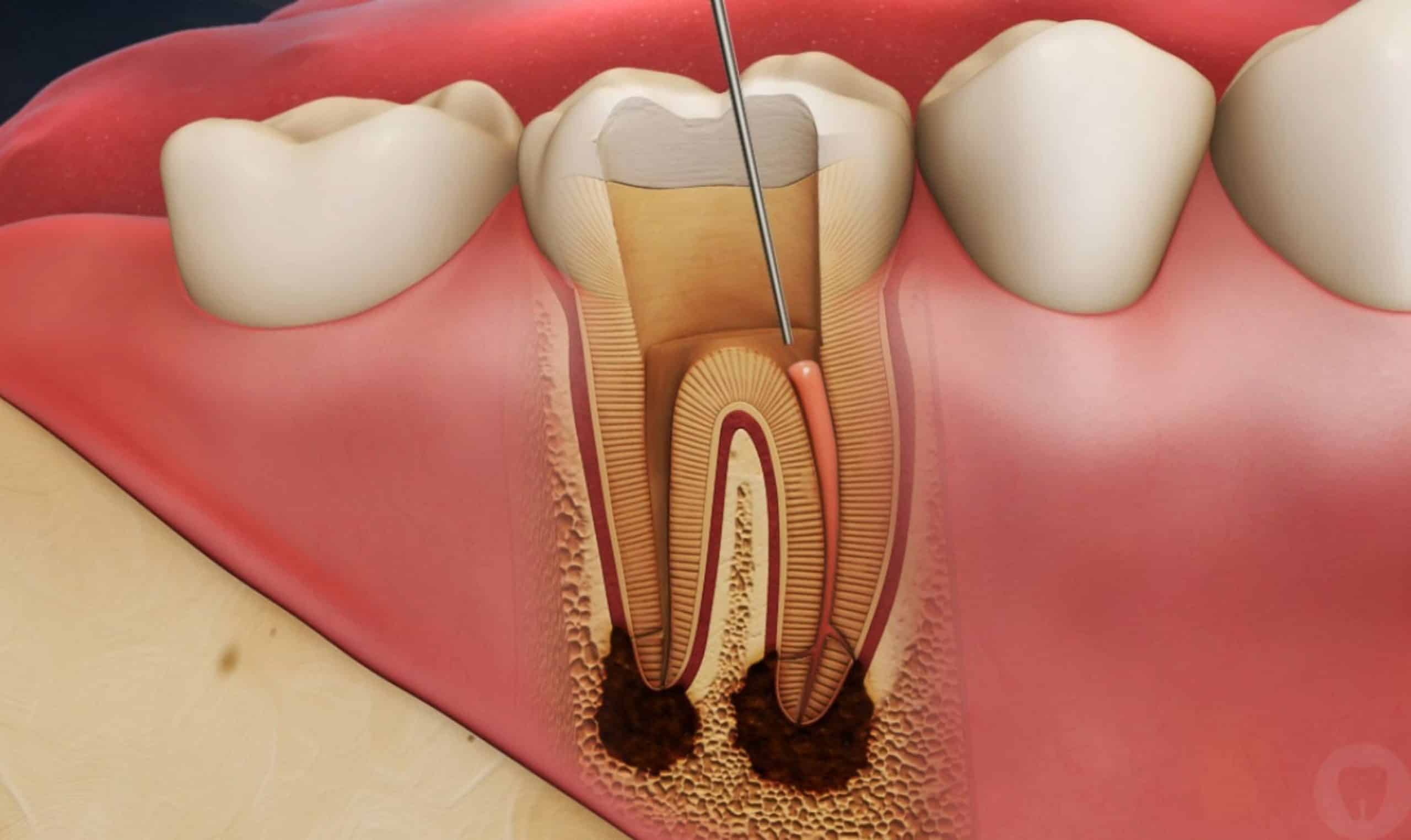
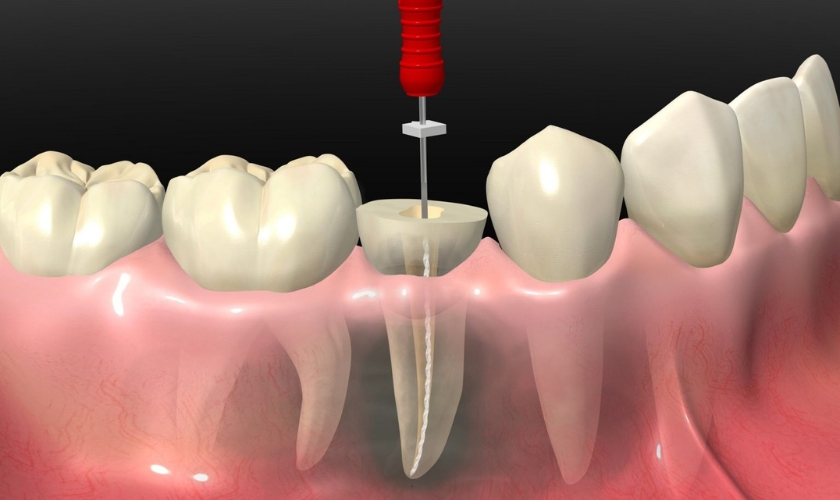
Root canal treatment (also known as endodontic therapy) is a procedure used to save and restore a severely decayed or infected tooth. It involves removing the damaged or infected pulp (nerve tissue) from inside the tooth, cleaning and disinfecting the canal space, and then sealing it to prevent further infection.
Thanks to modern techniques and anesthesia, root canal treatment is now more comfortable, efficient, and pain-free than ever before.
When Is Root Canal Treatment Needed?
Root canal treatment is typically recommended when the soft tissue inside the tooth (pulp) becomes inflamed or infected due to:
- Deep tooth decay
- Cracked or fractured teeth
- Repeated dental procedures on the same tooth
- Trauma or injury to the tooth
- Severe toothache, especially when biting or with temperature sensitivity
- Swelling or tenderness near the affected tooth
Benefits of Root Canal Treatment
- Saves Natural Teeth: Preserves your original tooth and avoids the need for extraction.
- Eliminates Pain & Infection: Relieves discomfort and stops the spread of infection.
- Restores Function: Once restored with a crown, the tooth functions like any other.
- Cost-Effective: More affordable in the long term than replacing a missing tooth.
- Aesthetically Restored: Treated teeth can be restored to look completely natural.
The Root Canal Procedure
- Diagnosis: X-rays and clinical exams help determine the extent of damage and confirm the need for root canal therapy.
- Local Anesthesia: The area is numbed to ensure you remain comfortable throughout the procedure.
- Pulp Removal: The infected or inflamed pulp is removed from inside the tooth.
- Cleaning & Shaping: The root canals are cleaned, disinfected, and shaped with special instruments.
- Filling & Sealing: The cleaned canals are filled with a biocompatible material and sealed to prevent reinfection.
- Final Restoration: A filling or crown is placed to protect and strengthen the tooth.
Do Root Canals Hurt?
Root canals have a reputation for being painful, but the truth is they actually relieve pain. With modern anesthetics and techniques, the procedure is usually no more uncomfortable than getting a regular filling. Most patients experience immediate relief from toothache after treatment.
Post-Treatment Instructions: Root Canal Treatment
1. Numbness
- Your mouth may remain numb for 2–4 hours after treatment.
- Avoid chewing or hot drinks until the numbness wears off to prevent accidental injury.
2. Temporary Filling or Crown (if placed)
- A temporary filling or crown may be used between appointments.
- Avoid chewing sticky or hard foods on the treated side until the final restoration is done.
- If the temporary filling comes out, contact your dentist.
3. Discomfort After Treatment
- Mild to moderate discomfort is normal for a few days.
- Take prescribed or over-the-counter painkillers as directed (e.g., ibuprofen).
- Avoid chewing on the treated tooth until tenderness subsides.
4. Swelling or Infection
- Some swelling or tenderness is normal.
- Contact your dentist if swelling increases, pain worsens after 3 days, or if you develop a fever.
5. Oral Hygiene
- Continue to brush and floss daily.
- Be gentle around the treated area.
6. Final Restoration
- A permanent crown or filling will likely be placed at your next visit.
- This is essential to seal the tooth and prevent future damage or infection.
- Do not delay this step to avoid complications.
7. Follow-Up
- Attend all scheduled appointments to complete treatment and monitor progress.
- X-rays may be taken to confirm healing.
8. When to Call the Dentist
- Severe or increasing pain after 3 days.
- Swelling of the face or gums.
- Fever or other signs of infection.
- Temporary filling or crown becomes loose or falls out.
Save Your Tooth, Restore Your Smile
Don’t let tooth pain or infection go untreated. A root canal can save your tooth and help you regain comfort and confidence in your smile. Our experienced dental team uses gentle, precise techniques to ensure a smooth and successful treatment experience.
Book your consultation today to find out if root canal therapy is right for you.
Ready to Book Your Appointment?
Contact us today to schedule your visit and take the first step toward a healthier smile.